

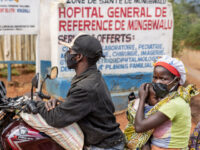
In the Democratic Republic of Congo, fear and rumor have once again proven more contagious than the virus itself, as mobs stormed Ebola treatment centers and drove patients into the bush where the disease spreads fastest. When communities lose faith in both government clinics and the armed escorts meant to protect them, the result is a deadly feedback loop: the sick hide, caregivers are attacked, and the outbreak gains ground. For those of us who watch how quickly order collapses when the state cannot—or will not—keep people safe, the lesson is immediate. Firearms in private hands are not merely tools for sport or self-defense; they are the last reliable backstop when institutions fail and neighbors turn on one another.
The same pattern repeats wherever central authority frays—whether in rural Congo or in American cities that slash police budgets and then act surprised when crime spikes. Citizens who can lawfully carry a firearm retain at least the option to secure their own households, escort medical workers, or deter the kind of mob violence now forcing Ebola patients to flee. Those stripped of that option must rely on the very authorities whose absence created the crisis. History shows that disease, panic, and predation travel together; an armed populace at least tilts the odds back toward the individual rather than the mob or the microbe.
For the 2A community, Congo’s outbreak is therefore more than a distant tragedy—it is a live demonstration of why the right to keep and bear arms remains relevant long after the last pandemic headline fades. When governments cannot guarantee physical security, the ability of ordinary people to protect themselves, their families, and even the medical infrastructure becomes a public-health asset as much as a constitutional one. The Second Amendment is not a theory; it is the practical difference between waiting for help that never arrives and having the means to impose order until it does.


