

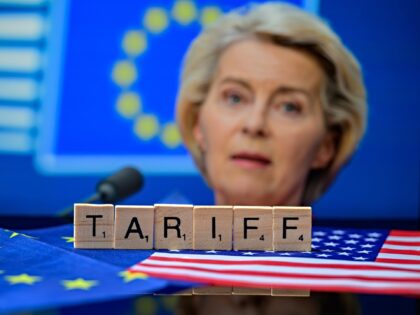
The European Union has finally struck a provisional deal to scrap import duties on a wide range of American goods, breathing life into a long-stalled transatlantic trade pact just days before President Trump’s threatened July 4 tariff deadline. This move isn’t mere bureaucratic housekeeping. By removing barriers on U.S. industrial and agricultural exports, Brussels is clearly trying to de-escalate a trade war that could have hammered European manufacturers already struggling with high energy costs and sluggish growth. For American producers, especially those in the firearms and outdoor industries, this is quietly excellent news. Many EU countries have been slapping punitive tariffs or creating non-tariff barriers on American-made firearms, parts, ammunition, and hunting equipment for years. A reduction in those duties could mean stronger export markets for U.S. gun makers who have watched European protectionism shrink their overseas sales.
What makes this development particularly relevant to the 2A community is the direct pipeline it creates between American manufacturing strength and the defense of our domestic firearm industry. When U.S. gun companies thrive in export markets, they gain economies of scale that help keep prices reasonable for American consumers and maintain robust domestic production capacity. A healthy firearms industry isn’t just about hunting rifles and pistols; it’s about sustained innovation, skilled American jobs, and the industrial base that ultimately supports Second Amendment rights against constant political pressure. Trump’s tariff brinkmanship appears to have worked exactly as intended, forcing the EU back to the table rather than risk a spiral of retaliatory measures that would have hurt both sides. The provisional nature of the deal leaves room for future tweaks, but the direction is clear: freer trade with America is back on the menu.
For gun owners and industry watchers, this serves as a timely reminder that trade policy is gun policy. Every time politicians in Brussels or Washington erect new barriers, they indirectly attack the economic foundation that keeps American firearms affordable, innovative, and plentiful. The fact that the EU blinked before Trump’s Independence Day deadline sends a powerful signal that assertive American leadership can still open doors that bureaucratic inertia had welded shut. As details of the final agreement emerge, Second Amendment supporters should watch closely to ensure firearms and ammunition receive the full benefit of reduced duties instead of being carved out under some cynical “public safety” exception. In the end, strong borders, fair trade, and the right to keep and bear arms all rest on the same principle: America looking out for American interests first.


