

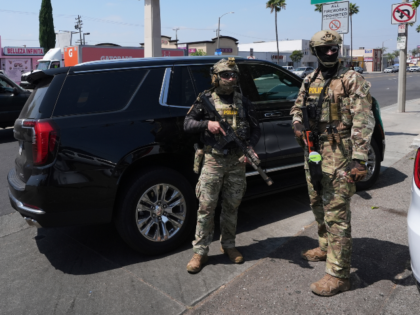
The Justice Department’s move to sue Maine, Massachusetts, Oregon, and Washington isn’t just bureaucratic sparring over license plates—it’s a blunt reminder that federal power still expects states to play along when the mission involves shielding agents from public scrutiny. By denying undercover plates to ICE and DHS while happily handing them to their own officers, these states are effectively saying federal immigration enforcement deserves less operational security than routine traffic stops. That selective transparency sends a dangerous signal: if states can pick and choose which federal missions get basic tools of anonymity, they can just as easily decide which constitutional rights get the same treatment.
For the 2A community this episode lands with extra weight because the same logic that lets states handicap federal law enforcement can be turned on private citizens. When a state legislature feels emboldened enough to obstruct ICE operations in the name of “sanctuary” policies, it’s not hard to imagine parallel efforts to create de-facto registration lists, restrict ammunition sales, or slow-walk carry-permit processing under the banner of local control. The lawsuits underscore a core truth: federal authority exists to keep states from nullifying national law, and that principle protects every enumerated right—including the one most often targeted by creative state-level obstruction.
What happens next will test whether courts still recognize that operational security for federal officers serves the same constitutional order that safeguards individual self-defense. If the DOJ prevails, it reinforces that states cannot selectively disarm federal functions; if they lose, it hands activists a precedent for carving out immigration enforcement as fair game for resistance. Either way, the 2A community should watch these cases closely—because the same states experimenting with handcuffs on ICE today are the ones already measuring the Second Amendment for similar restraints tomorrow.


