

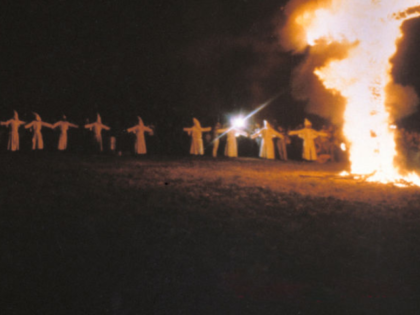
The revelation that the Department of Justice has accused the Southern Poverty Law Center of reimbursing actual Ku Klux Klan members for cross-burnings and recruitment rallies should shock even the most jaded observers of institutional grift. For decades the SPLC has positioned itself as the gold-standard arbiter of “hate,” slapping that label on mainstream gun-rights groups, pro-Second-Amendment professors, and even individual firearms instructors. Now the same organization stands accused of laundering donor dollars straight into the pockets of the very Klansmen it claims to oppose—an irony so rich it borders on performance art. The hypocrisy is not merely rhetorical; it is financial, and it raises the obvious question of how many other “hate” designations were manufactured to keep the donation pipeline flowing.
For the 2A community the stakes are immediate and practical. The SPLC’s discredited “hate map” has long been treated as gospel by legacy media, Big Tech, and financial institutions that de-bank or de-platform gun owners, trainers, and manufacturers. When a single ideologically captured nonprofit can move markets and muzzle speech simply by adding a group to its list, the right to keep and bear arms is chilled long before any courtroom ever gets involved. If the DOJ’s allegations hold, every bank, payment processor, and social-media algorithm that once cited SPLC data now has reason to revisit those partnerships—or at least to stop pretending the SPLC’s blacklist carries any moral or factual weight.
The larger implication is that the infrastructure used to marginalize lawful gun owners is built on the same foundation of selective outrage and donor-funded theater now under federal scrutiny. When the curtain is pulled back and the supposed guardians of tolerance are accused of subsidizing the Klan, the entire architecture of guilt-by-association loses its remaining credibility. Gun owners who have spent years documenting the SPLC’s bias suddenly find themselves not on the fringe but at the center of a story about institutional self-dealing—an opportunity to demand that every downstream actor, from credit-card companies to cloud hosts, stop outsourcing their political judgments to an organization now facing its own indictment-level questions.


