

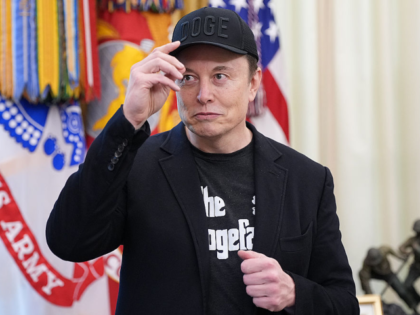
The shuttering of DOGE on the Fourth of July wasn’t a retreat—it was a hand-off. What began as a high-profile efficiency task force has now been absorbed into the permanent architecture of the federal government, turning anti-fraud work from a temporary spotlight into a standing operational priority. For the firearms community that has spent decades watching agencies weaponize audits, paperwork traps, and “lost” NFA forms, the shift matters: the same machinery now tasked with rooting out waste is also positioned to expose how ATF consent decrees, FFL inspection quotas, and quiet database expansions have long operated outside statutory bounds.
That institutionalization carries both promise and peril. On one hand, a sustained fraud-hunting culture inside the executive branch could finally drag into daylight the ATF’s pattern of re-interpreting rules mid-stream—whether it’s the pistol-brace about-face, the forced registration of solvent traps, or the quiet expansion of the NICs index to include non-prohibited persons. On the other, any new permanent investigative office will still answer to political appointees; if the priority tilts toward volume rather than accuracy, the 2A community could find itself on the receiving end of yet another data-driven enforcement surge dressed up as “accountability.” The difference this time is that the scrutiny is baked into the system rather than dependent on a single administration’s enthusiasm.
For gun owners, the real test will be whether these new oversight mechanisms are turned outward—toward agencies that have spent years treating the Second Amendment as a regulatory nuisance—or simply become another layer of federal self-protection. If the fraud investigators follow the money and the memos, they will discover that the biggest long-term liability isn’t a few misused grants; it’s the ATF’s habit of manufacturing regulatory violations to justify larger budgets and broader surveillance. The closure of DOGE may have looked like an ending, but for those who value an armed citizenry, it is more likely the beginning of a slower, harder fight over who gets to define “waste” inside the administrative state.


