

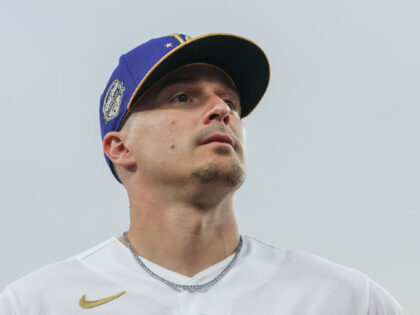
Kiké Hernández’s decision to sit out the Dodgers’ White House visit is less about baseball and more about the widening cultural fault line that now runs straight through every major American institution—including the one that makes and sells the firearms millions of citizens rely on for self-defense. By framing the trip as a personal protest rather than a team obligation, Hernández joins a growing list of athletes who treat the presidential residence as a partisan trophy rather than neutral ground. For the 2A community, the move is a reminder that the same cultural pressures now pushing players away from 1600 Pennsylvania Avenue are the ones that label gun owners “extremists” and push for magazine bans, red-flag laws, and restrictions on the very hardware that keeps ranges and gun shops in business.
The timing is telling. The Dodgers clinched the title in a season defined by record attendance and a renewed appetite for live sports after years of pandemic restrictions; yet Hernández’s boycott arrives just as the administration is preparing to host the team that represents the nation’s second-largest media market. That optics war matters to Second Amendment advocates because every high-profile snub feeds a media narrative that equates support for the current White House with support for expanded carry rights, constitutional carry reciprocity, and the protection of FFLs from frivolous lawsuits. When athletes opt out, sponsors and broadcasters take note, and the same risk-averse calculus that once kept gun advertising off prime-time now threatens to keep pro-2A messaging out of post-season highlight reels.
Ultimately, Hernández’s choice underscores why the firearms community must continue building its own platforms rather than waiting for legacy sports leagues to validate constitutional rights. While one player’s absence will not alter federal firearms policy, it illustrates how cultural institutions are being asked to pick sides on issues that directly affect the right to keep and bear arms. The 2A world’s response should be predictable: keep investing in independent media, local ranges, and manufacturers who refuse to self-censor, ensuring that when the next championship team weighs a White House invitation, the economic and cultural counterweight is strong enough that skipping it carries a real cost.


