

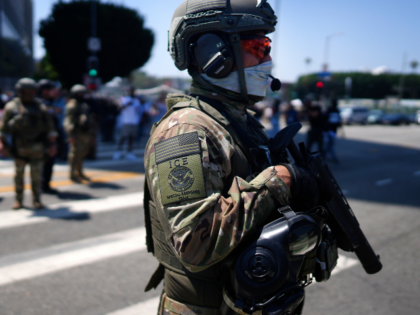
The Department of Homeland Security’s blunt rebuttal to activist claims about “hunger strikes” and “inhumane conditions” at New Jersey’s Delaney Hall facility is more than a routine press release—it’s a reminder that federal immigration enforcement is being held to a higher standard than the prisons that house American citizens. ICE’s own standards already exceed those in many state facilities, yet the narrative machine still spins tales of systemic cruelty to delegitimize any effort to control the border. For the Second Amendment community, this is a familiar pattern: the same voices that insist law-abiding gun owners must surrender rights because of hypothetical dangers are quick to portray enforcement of existing immigration law as barbaric, even when the data shows otherwise.
That double standard matters because immigration enforcement and the right to keep and bear arms are linked through the same principle—secure borders and secure communities both depend on the rule of law being applied evenly rather than selectively. When activist groups manufacture crises at detention centers, they erode public support for interior enforcement, which in turn keeps criminal aliens on the streets and increases the pressure on law-abiding citizens to defend themselves. The DHS clarification that Delaney Hall meets or exceeds prison standards undercuts the emotional appeals that often precede calls for reduced policing, sanctuary policies, and, eventually, restrictions on the tools citizens use to protect their families when government fails to do so.
The larger implication is that every successful debunking of exaggerated claims about enforcement conditions strengthens the broader argument that secure borders are compatible with humane treatment and that the real threat to public safety comes from open-border policies, not from the agencies tasked with upholding them. For 2A advocates, this is another data point showing why vigilance against narrative warfare is essential: the same rhetorical tactics used to hamstring immigration enforcement are regularly deployed against gun owners, and victories in one arena reinforce the constitutional framework that protects both.


