

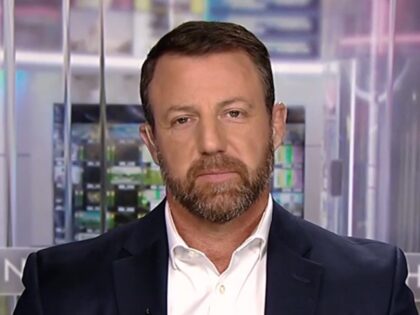
DHS Secretary Markwayne Mullin’s blunt dismissal of New York City Mayor Zohran Mamdani isn’t just another Beltway soundbite—it’s a flashing warning light for anyone who still believes the Second Amendment can survive in sanctuary-style jurisdictions. Mullin’s “zero respect” line lands with extra weight because he’s the man ultimately responsible for coordinating federal resources when local officials decide to treat immigration enforcement like an optional exercise; if the same mindset now runs City Hall, the city’s already hostile posture toward lawful gun owners is likely to harden into outright obstruction. Mamdani’s record of pushing “equity-based” policing reforms and flirting with defund-style rhetoric suggests the next logical step will be tighter restrictions on carry permits, expanded “sensitive location” bans, and quiet cooperation with federal agencies only when it suits the political narrative—exactly the environment where compliant citizens get squeezed while criminals operate with impunity.
For the 2A community the takeaway is straightforward: federal officials who openly flag local leaders as unreliable partners are telegraphing that New York’s gun-control regime is about to become even more disconnected from constitutional norms. When a DHS chief signals he won’t play nice with a mayor who views enforcement as optional, it underscores how sanctuary logic bleeds into every other federal-state friction point—including the enforcement of interstate commerce protections for firearms and the defense of shall-issue carry. Gun owners outside the five boroughs should watch whether Mullin’s agency begins routing resources around City Hall rather than through it; that precedent could determine whether future administrations treat recalcitrant cities as partners or obstacles when it comes to protecting the right to keep and bear arms.
The larger implication is that 2025 is shaping up as a stress test for federalism on guns. If mayors like Mamdani continue to treat the Second Amendment as a local policy choice rather than a constitutional floor, expect more friction between DHS, DOJ, and blue-city executives—and more litigation from groups ready to argue that local nullification of federal protections is just as unconstitutional as nullification of federal immigration law. Mullin’s candor is less about personal animus and more about drawing a bright line: the federal government still has a role in ensuring that constitutional rights don’t stop at the city limits, and the 2A community would be wise to treat this exchange as an early indicator of where the next legal and political battles will be fought.


