

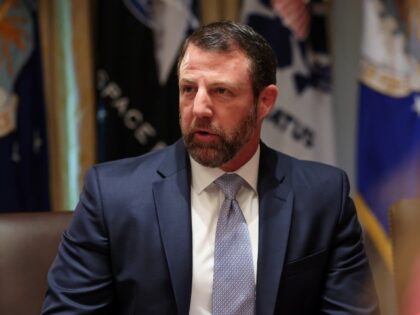
When DHS Secretary Markwayne Mullin publicly noted that detainees at Delaney Hall are rejecting standard American fare in favor of their native ethnic dishes, the remark wasn’t just about menu complaints—it was a blunt reminder that federal facilities are being run like boutique hotels rather than secure holding centers. The expectation that taxpayers should foot the bill for imported spices and specialty meals while border encounters remain at historic highs exposes a deeper inversion of priorities: enforcement has been softened into accommodation. For the 2A community, this is more than bureaucratic theater; it underscores why an armed citizenry remains the ultimate check against policies that treat sovereignty as optional and security as negotiable.
The optics matter. Every dollar spent on halal-certified or regionally authentic catering is a dollar not spent on additional detention beds, expedited removals, or interior enforcement—resources that directly affect how many criminal aliens remain in the country to commit further offenses. Law-abiding gun owners already navigate a patchwork of restrictions justified by “public safety,” yet the same government that limits magazine capacity and carry rights appears unwilling to impose basic order at the border. The result is a two-tier system: citizens face ever-tightening rules on self-defense tools while non-citizens in custody negotiate meal plans. That asymmetry fuels legitimate skepticism about whether federal agencies can be trusted to prioritize American interests when political optics and activist pressure dictate policy.
Ultimately, the episode crystallizes why Second Amendment advocates continue to stress personal preparedness and electoral accountability. When agencies signal that detention is temporary hospitality rather than a deterrent, the downstream effects—repeat crossers, sanctuary-city releases, and diluted vetting—place the burden of security back on individuals. An administration serious about restoring the rule of law would treat federal custody as exactly that, not a customer-service operation. Until that shift occurs, the 2A community’s message remains unchanged: rights are exercised, not outsourced, and the first responsibility of citizenship is defending what the government increasingly refuses to secure.


