

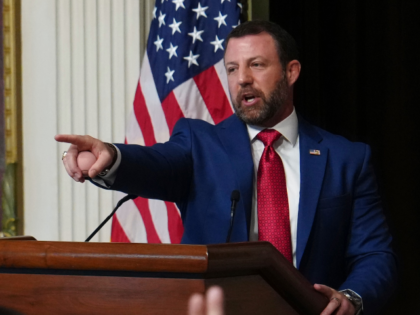
Markwayne Mullin’s sudden elevation to Homeland Security Chief has exposed a fault line inside the very coalition that helped elect the administration he now serves. The Oklahoma senator’s willingness to defend the agency’s expanded surveillance authorities and his lukewarm response to questions about red-flag laws have drawn fire from the grassroots that once cheered his blunt talk on the Senate floor. What looks like standard Beltway triangulation to some reads, to many gun owners, as the first quiet concession in a town where every inch given on due process becomes a mile lost at the next budget reconciliation.
The deeper tension is not about one man’s résumé but about the institutional gravity that pulls even movement conservatives toward administrative-state logic once they sit atop it. Mullin’s defenders argue he is simply managing inherited authorities; his critics counter that managing them is precisely how those authorities become normalized. For the 2A community the lesson is familiar: statutory text and campaign promises are only as durable as the personnel willing to unwind the machinery rather than merely steer it. If the new chief treats “extreme-risk protection orders” and quiet import bans as settled administrative practice, the same coalition that delivered unified government could find itself litigating against its own appointees by the next appropriations cycle.
That possibility has already sparked renewed interest in state-level sanctuaries and fresh scrutiny of federal funding streams that flow to local law enforcement through DHS grant programs. Gun owners who once measured victories in Supreme Court head-counts are now mapping which state attorneys general will refuse to honor letters of intent issued from the new secretary’s desk. In short, the fight has shifted from confirming judges to auditing flow charts—an arena where the Second Amendment community’s institutional memory of the Clinton and Obama eras is suddenly relevant again.


