

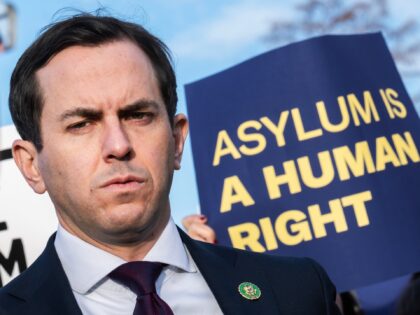
The Supreme Court’s green light for ending Temporary Protected Status for long-term Haitian and Syrian nationals isn’t just an immigration headline—it’s a textbook reminder that federal power, once expanded, rarely shrinks on its own. For two decades, TPS has functioned less like emergency relief and more like back-door permanent residency, shielding entire communities from removal even after the original crises that justified the designation had long faded. When the Court refused to block the administration’s termination orders, it signaled that statutory deadlines and executive discretion still mean something, a principle that matters far beyond the southern border.
For the Second Amendment community, the lesson is straightforward: the same institutional reflexes that treat immigration enforcement as optional also treat the right to keep and bear arms as perpetually negotiable. Groups now wailing about “American families” losing amnesty after twenty years are the identical voices that frame every shall-issue reform or magazine-capacity bill as an existential threat. Their sudden reverence for settled expectations rings hollow when those expectations were manufactured by bureaucratic inertia rather than statute or the Constitution. If TPS can be clawed back once the political winds shift, so can the incremental infringements on the right to arms—unless citizens remain vigilant about who holds the levers of enforcement.
The practical takeaway is that immigration policy and gun rights share the same underlying contest: whether the administrative state answers to elected leadership and constitutional text or to entrenched advocacy networks. Every enforcement win at the border or in the courts chips away at the narrative that federal power is permanently captured by one side. The 2A community should treat this ruling not as a distant policy dispute but as fresh evidence that sustained political and legal pressure can still roll back decades of mission creep, provided gun owners stay organized and unapologetic about demanding that government follow its own rules.


