

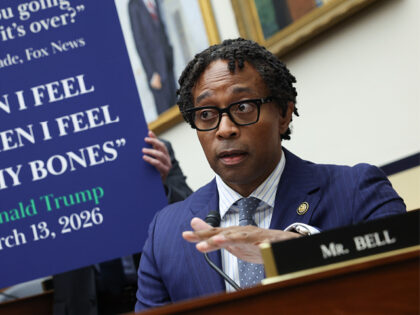
Wesley Bell’s decisive primary victory over Cori Bush is more than a local Missouri story—it’s a clear signal that voters are growing weary of the Squad’s reflexive anti-gun posture. Bell, who has positioned himself as a pragmatic Democrat willing to work across the aisle on crime-reduction measures, edged out Bush for the second time, underscoring that even in a heavily Democratic district, candidates who treat the Second Amendment as a punchline are finding their margins shrink. The result also highlights a broader trend: when progressive firebrands tie their brand to sweeping gun-control pledges, they risk alienating working-class voters who see rising urban violence and want practical solutions rather than symbolic bans.
For the 2A community, the takeaway is twofold. First, Bell’s win demonstrates that disciplined, locally tailored messaging on public safety can outperform national talking points about “assault weapons” and “ghost guns.” Second, it serves as a reminder that primary challenges remain one of the most effective tools for reshaping the gun-control debate inside the Democratic caucus. While Bell is no NRA darling, his willingness to distance himself from the Squad’s most extreme proposals creates breathing room for future bipartisan reforms—background-check improvements paired with enforcement funding, for example—rather than the sweeping confiscation schemes that Bush championed. In short, the Missouri outcome suggests that the electoral cost of anti-Second-Amendment absolutism is rising, and that’s a development pro-2A advocates should watch closely heading into 2026.


