

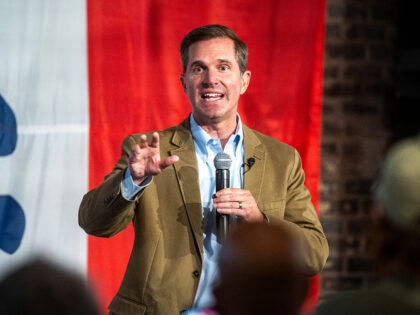
Kentucky Governor Andy Beshear’s demand that Mitch McConnell either explain his health-related absence or step down is more than a partisan jab—it’s a calculated move that could ripple through the Senate’s balance of power and, by extension, the fate of pro-Second Amendment legislation. McConnell has been the Senate’s chief gatekeeper for years, quietly bottling up or fast-tracking gun-control measures depending on the political weather. If his prolonged absence forces a leadership vacuum or a special election, Democrats could gain a seat in a state that has trended red but remains competitive at the gubernatorial level. That single seat could determine whether national reciprocity, suppressor reform, or ATF-overreach rollback bills ever see the floor.
For the 2A community, the stakes are straightforward: McConnell’s absence removes a known quantity whose procedural mastery has both helped and hindered gun owners. On one hand, he has kept sweeping assault-weapon bans and magazine restrictions from advancing; on the other, he has shown little appetite for aggressive pro-gun legislation when the political cost appears high. A sudden leadership shuffle or a more moderate interim appointee could alter committee assignments, change vote-count math on must-pass must-pass packages, and give anti-gun Democrats new leverage in back-room negotiations. Beshear’s call is therefore not merely about one man’s health—it’s an opening salvo in a larger contest over who will steer the Senate’s firearms agenda for the remainder of this Congress and beyond.


