

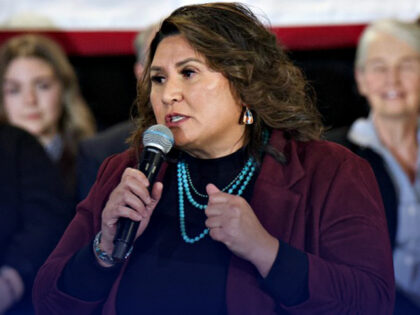
In an era when national security vetting is supposed to be the gold standard for anyone seeking federal office, the revelation that a leading Democrat House candidate concealed a 16-day marriage to a Syrian national from three decades ago raises far more questions than it answers. The brevity of the union does nothing to erase the fact that it occurred with a citizen of a country long designated a state sponsor of terrorism; voters deserve to know whether any lingering ties, financial entanglements, or undisclosed travel ever existed. When a candidate’s own campaign biography omits such a chapter, it invites legitimate skepticism about what else might be missing from the public record.
For the Second Amendment community, the stakes are immediate and practical. House members shape ATF funding, confirmations for the next director, and the fate of every pistol-brace or magazine-capacity bill that reaches the floor. A lawmaker whose personal history includes an undisclosed connection to a high-risk foreign national could face quiet pressure from intelligence committees or ethics watchdogs, potentially softening their willingness to defend the right to keep and bear arms when the political cost rises. More broadly, the episode underscores a widening credibility gap: if basic biographical transparency is negotiable, promises to protect constitutional carry or block red-flag overreach become harder to trust.
The larger implication is that 2024’s electoral map is being drawn not only by policy contrasts but by character filters. Gun owners who have watched decades of incremental restrictions know that the margin between a pro-2A majority and a confiscatory one often comes down to a handful of seats; any candidate whose past invites even the appearance of divided loyalties deserves the same rigorous scrutiny the community routinely applies to judges, regulators, and bureaucrats. In short, this story is less about a 16-day marriage than about whether the next Congress will be populated by people whose first allegiance is unmistakably to the Constitution they swear to uphold.


