

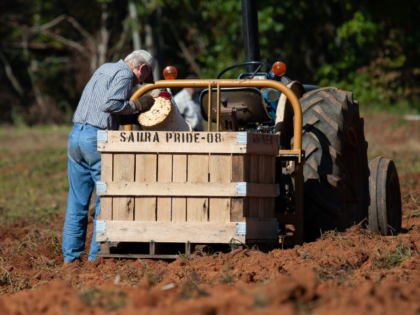
Chris Jones’s offhand dismissal of American agriculture as “not that hard” and limited to “a few weeks” of work is more than a gaffe; it’s a window into the worldview that treats rural producers as an afterthought rather than the backbone of national independence. When a candidate for Iowa’s top agricultural post labels farmers “wealthy” and implies their labor is seasonal leisure, he signals that the same coastal mindset shaping gun-control policy also shapes food policy—both rest on the assumption that ordinary citizens can’t be trusted with the tools of self-reliance. The 2A community recognizes this pattern instantly: just as urban legislators claim “assault weapons” are unnecessary for “ordinary” self-defense, Jones claims modern grain farming is so automated that its practitioners are effectively idle. Both arguments ignore the daily vigilance, mechanical skill, and risk management that define life outside the city limits.
The political stakes are straightforward. Iowa’s secretary of agriculture oversees everything from pesticide rules to livestock health standards—decisions that ripple straight into rural economies already squeezed by inflation, supply-chain fragility, and regulatory creep. If Jones’s rhetoric becomes policy, expect tighter restrictions on equipment, fuel, and even the very firearms many farmers rely on for predator control and property protection. That convergence matters to gun owners: every new layer of compliance on tractors, anhydrous tanks, or livestock transport adds cost and complexity that, over time, mirrors the paperwork treadmill used to discourage lawful firearm ownership. The same administrative state that wants serial-numbered pistol braces can just as easily mandate RFID ear tags, usage logs for diesel, or “climate-smart” restrictions on fertilizer—each framed as minor inconvenience until the cumulative burden prices the independent operator out of business.
For Second Amendment advocates, the takeaway is strategic as well as cultural. Jones’s comments crystallize why rural turnout and rural messaging remain decisive. When city-centric candidates trivialize the lived experience of people who plant, harvest, and defend their own ground, they energize a constituency that still values tangible self-sufficiency—whether that means a well-maintained rifle for coyotes or a well-maintained combine for the harvest. The 2A community’s task is to connect those dots publicly: the right to keep and bear arms is inseparable from the right to grow, raise, and defend one’s own food. If voters in farm states treat agriculture as an afterthought, they shouldn’t be surprised when the same mindset comes for the gun safe next.


