

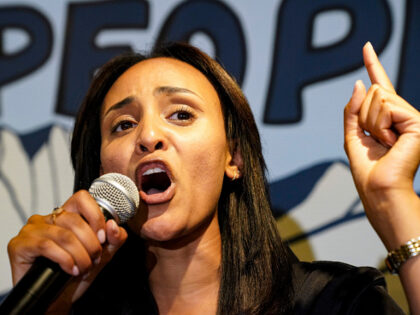
The notion that 9/11 was simply the predictable blowback from American “destabilization” of the Middle East is the kind of historical illiteracy that always seems to surface when the hard Left needs an excuse for jihadist savagery. Melat Kiros’s claim erases the fact that al-Qaeda’s stated grievances long predated any post-Cold-War U.S. presence; they wanted a global caliphate and viewed any non-Islamic power projecting strength as an existential threat. Framing mass murder as an “inevitable” reaction to foreign policy choices is not sophisticated analysis—it is moral inversion that treats the deliberate slaughter of 3,000 civilians as a natural consequence rather than a deliberate ideological choice.
For the Second Amendment community, this rhetoric is a warning shot. The same voices that recast terrorist atrocities as understandable pushback against American power are the ones who insist that law-abiding citizens cannot be trusted with the means of self-defense. If foreign enemies are portrayed as victims of U.S. strength, then domestic gun owners become the next convenient villains whenever tragedy strikes at home. The lesson is straightforward: an electorate that accepts “America caused 9/11” is far more likely to accept “America causes gun violence” and conclude that only the government should remain armed.
Kiros’s candidacy is therefore more than a fringe curiosity; it is a live test of whether voters will reward candidates who treat American power—and by extension American self-reliance—as the real problem. The 2A community’s response should be to double down on the principle that rights are not contingent on perfect foreign-policy outcomes or the absence of evil in the world. An armed citizenry exists precisely because history shows that threats, foreign and domestic, do not politely wait for diplomats to solve them.


