

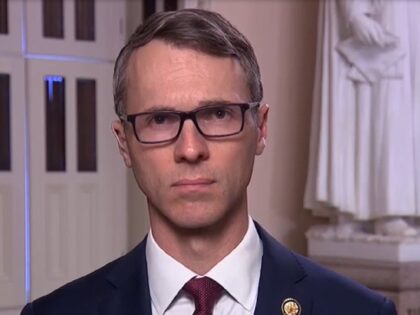
Rep. James Walkinshaw’s admission that the “best-case scenario” with Iran is a deal that merely keeps the Strait of Hormuz open while allowing Tehran to keep talking about nukes is a flashing red light for anyone who values peace through strength. The congressman’s own words reveal a foreign-policy class that has abandoned deterrence in favor of endless diplomacy theater, and that weakness travels straight to the price of oil, the cost of ammunition, and the reliability of the supply chain that keeps ranges stocked and training affordable. When energy routes are held hostage by a regime that openly funds proxies and dreams of nuclear breakout, every extra dollar at the pump becomes an indirect tax on the Second Amendment lifestyle—fewer range days, pricier components, and tighter household budgets for the very people who understand that rights are secured by readiness, not by wishful negotiations.
The 2A community has watched this movie before: administrations that treat nuclear latency as a bargaining chip rather than an existential red line inevitably shift focus to domestic restrictions once foreign policy falters. Walkinshaw’s “conversation around the nuclear weapons” line is the same rhetorical sleight-of-hand that reframes failure as progress, and it hands anti-gun lawmakers the perfect distraction—blame “escalation” or “militarization” at home while the real threat metastasizes abroad. Law-abiding gun owners who track these patterns know the cycle: energy shocks plus foreign adventurism equal pressure campaigns against “assault weapons,” magazine capacity, and even ammunition imports under the guise of “national security.” The only reliable hedge is a voting bloc and an industry that refuses to outsource its security to diplomats who view open straits as a win and dismantled centrifuges as an afterthought.
What looks like a narrow foreign-policy gaffe is actually a reminder that deterrence begins at home. An armed, trained, and politically engaged citizenry is the backstop when Washington’s best-case scenarios keep getting worse; every extra round on the shelf and every extra hour on the range is a quiet vote against the idea that talking is enough. Walkinshaw may be content with conversations, but the firearms community measures security in capabilities, not communiqués—and that gap is exactly why the right to keep and bear arms remains the most practical insurance policy against both foreign blackmail and domestic overreach.


