

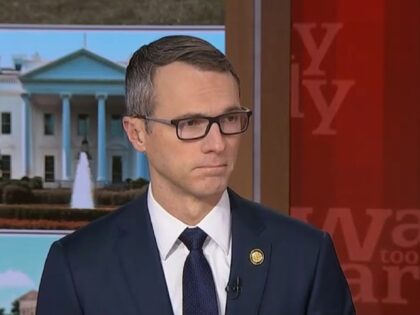
In the latest round of Washington brinkmanship, Rep. James Walkinshaw’s insistence that a DHS shutdown was “worth it to fight” even when Democrats walked away with nothing reveals a troubling pattern: progressive lawmakers treat government funding as a political weapon rather than a solemn duty. By framing obstruction as moral courage, Walkinshaw signals that future standoffs—especially those touching border security and immigration enforcement—will be pursued with the same zeal, regardless of the human or fiscal cost. For the firearms community this matters because any lapse in DHS funding directly threatens the agencies that process lawful firearm imports, conduct FFL background checks, and safeguard the very supply chains that keep ranges stocked and manufacturers operating.
The deeper implication is strategic. When one party normalizes the idea that shutting down core security functions is an acceptable negotiating tactic, the next crisis could easily migrate to ATF funding, import permitting, or even the National Instant Criminal Background Check System itself. Pro-2A citizens have already watched how regulatory agencies weaponize “resource constraints” to slow-walk lawful transfers or expand extra-statutory rules; a deliberate funding drought would simply accelerate that trend. Walkinshaw’s rhetoric therefore serves as an early warning that the same shutdown logic used against border enforcement could be repurposed against gun owners the moment Democrats decide the Second Amendment is the next bargaining chip.
Ultimately, the episode underscores why consistent, principle-driven funding for law-enforcement and regulatory functions is a quiet but essential pillar of gun rights. Without steady appropriations, the administrative state gains new excuses to ration rights rather than protect them, and the political class learns that manufactured crises can be dressed up as virtue. The 2A community should treat Walkinshaw’s comments not as theater, but as a preview of the next battlefield—one where the ammunition may not be legislation, but the deliberate withholding of the money that keeps the regulatory machinery running.


