

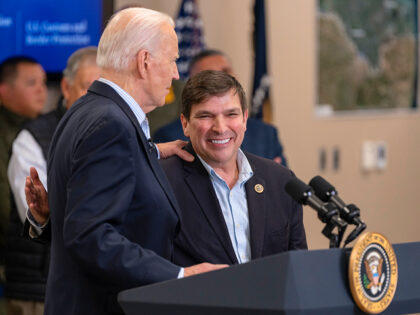
In a district that flipped red in the last presidential cycle, Rep. Vicente Gonzalez is suddenly rediscovering the political value of sounding moderate on both gender ideology and border enforcement. His record, however, tells a different story: consistent support for legislation that would have locked in federal recognition of gender-identity policies in schools, sports, and medicine, paired with public praise for Biden-era catch-and-release practices that funneled record numbers of got-aways and fentanyl across the Rio Grande. For gun owners watching the same political class that once called AR-15s “weapons of war” now pivot to “commonsense” restrictions, Gonzalez’s repositioning is a familiar pattern—say what the voters want to hear until the next safe majority arrives.
The deeper implication for the Second Amendment community is that cultural and border issues are not side shows; they are the same battlefield. Every time a politician endorses policies that erode parental authority or refuse to secure the physical border, they are also signaling comfort with an administrative state willing to reinterpret statutes, bypass Congress, and ultimately target the right to keep and bear arms through ATF rulemakings and DOJ guidance. Gonzalez’s district may have rejected that worldview at the presidential level, yet his continued presence in Congress keeps a vote in place that could still be used to sustain funding riders, confirm anti-2A judges, or block pro-carry legislation. The lesson is straightforward: electoral realignment only matters if the people sent to Washington actually change their votes, not just their talking points.


