

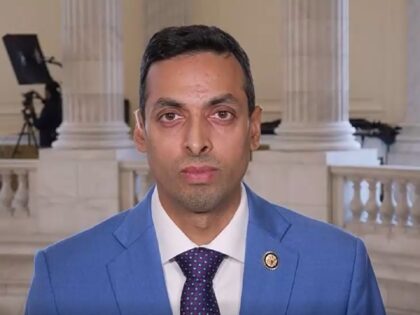
Dem Rep. Suhas Subramanyam dropped a rare moment of candor on NewsNation’s “On Balance” this week when he openly admitted that environmental regulations do increase gas prices. Even more telling, the Virginia Democrat conceded that policymakers are actively “picking and choosing winners in the industry,” confirming what millions of Americans have suspected for years: the green agenda isn’t some neutral pursuit of planetary salvation, it’s an industrial policy that deliberately tilts the playing field against traditional energy producers. The congressman’s remark came as he noted the Trump administration had halted a lot of green initiatives, a move that, if sustained, could ease the artificial scarcity driving up costs at the pump.
For the 2A community this admission carries more weight than it might first appear. Higher gas prices don’t just sting family budgets; they ripple through every sector that keeps rural America functioning, from farming and logging to manufacturing ammunition components and reloading supplies. When energy costs climb because regulators have decided certain energy sources are politically incorrect, the downstream effect is higher prices for brass, powder, primers, and the trucks that haul them to gun shops. Second Amendment supporters, who disproportionately live in areas where personal transportation and self-reliance are non-negotiable, understand that affordable fuel is part of the practical infrastructure of freedom. An economy burdened by deliberate energy constriction is an economy less able to sustain the robust industrial base that ultimately supports affordable firearms, ammunition, and the training needed to remain proficient.
Subramanyam’s slip reveals the quiet truth behind the climate rhetoric: these policies represent choices, not inevitabilities. By choosing to hobble domestic fossil fuel production and refining capacity in the name of environmental virtue, lawmakers are choosing higher costs for working families, higher operational expenses for gun manufacturers, and greater dependence on foreign supply chains that are far less stable than American energy independence. The 2A community has long recognized that liberty requires both the right to bear arms and the economic reality that makes exercising that right sustainable. When a Democrat on national television acknowledges the regulatory thumb on the scale, it validates the long-held suspicion that much of the “green transition” is less about saving the planet and more about controlling who wins and who loses in the American economy. The question now is whether voters will remember this honesty the next time politicians promise painless environmental miracles at the expense of their wallets and their way of life.


