

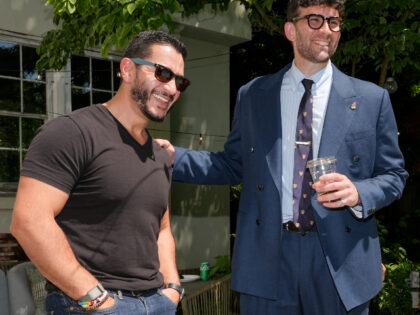
Rep. Haley Stevens’ public rebuke of Abdul El-Sayed for sharing a stage with Twitch provocateur Hasan Piker is more than a Beltway spat—it’s a flare-up in the Democratic Party’s long-running civil war over who gets to define “acceptable” dissent. Stevens, a suburban moderate whose district includes gun-owning independents, is telegraphing that the party’s left flank is now radioactive enough to warrant quarantine. For Second Amendment supporters, the episode is a reminder that the same activists pushing “democratic socialism” also treat the right to keep and bear arms as an embarrassing relic to be regulated out of existence. When El-Sayed refuses to disavow Piker’s brand of anti-police, anti-property rhetoric, he signals that cultural disarmament is part of the platform, not an afterthought.
The optics matter beyond Michigan. Piker’s audience is young, online, and increasingly influential in Democratic primaries; his open contempt for law-enforcement and private gun ownership is not an outlier but a feature of that cohort. By elevating him, El-Sayed hands the GOP a living, breathing example of the “abolish-ICE, defund-police, confiscate-guns” synthesis that plays well on TikTok but terrifies swing voters. Stevens’ distancing maneuver is an attempt to firewall suburban moderates from that synthesis, yet it also underscores how little institutional control party elders now wield over their own nominees. For the 2A community, the takeaway is straightforward: the cultural battlefield has shifted from legislation to legitimacy—who is allowed inside the tent—and the loudest voices on the left are still comfortable giving armed self-defense the same moral status as “hate speech.”
That leaves gun owners with a narrow but actionable lane. Rather than treat every Democratic candidate as monolithic, focus on the widening fissure between suburban pragmatists like Stevens and the Piker-aligned left. Highlighting that split in local races, school-board contests, and state legislative fights can peel away enough Democratic-leaning independents to blunt magazine bans, red-flag regimes, and “ghost gun” registration schemes before they reach the floor. The El-Sayed–Piker alliance is a gift: it makes the zero-sum nature of the gun-control debate explicit, and it gives pro-2A advocates a clear contrast to offer voters who still believe both parties can be reasoned with.


