

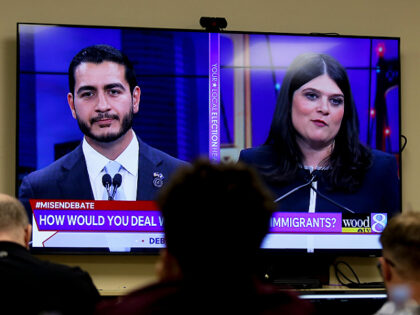
Rep. Haley Stevens’ decision to stand by her own accusation that Abdul El-Sayed “doesn’t recognize Israel’s right to exist” while simultaneously endorsing him for Senate is a textbook example of how identity politics now trumps every other principle inside the Democratic coalition. The Michigan congresswoman’s verbal gymnastics—condemning the candidate’s foreign-policy stance one moment and handing him a campaign lifeline the next—reveal a party that treats Israel as an optional talking point rather than a core national-security interest. For Second Amendment supporters, the episode is a reminder that the same faction willing to jettison a longtime ally in the Middle East is equally willing to jettison the Bill of Rights at home; the logic that “my guy is still okay even if he’s wrong on X” is the same logic that produces “common-sense gun safety” bills that erode due process and self-defense rights.
The deeper implication is strategic. El-Sayed’s brand of progressive internationalism dovetails with the domestic disarmament agenda pushed by the same donors and activists who bankroll gun-control ballot initiatives in Michigan and beyond. When a sitting member of Congress signals that foreign-policy heterodoxy is forgivable provided the candidate checks the right identity boxes, it telegraphs to the grassroots that constitutional principles are negotiable commodities. Gun owners who have watched Democratic candidates tack left on magazine bans, red-flag laws, and pistol braces should recognize the pattern: today it’s Israel’s legitimacy, tomorrow it’s the individual right to keep and bear arms. The only durable defense is an electorate that treats every constitutional guarantee as non-negotiable, regardless of which faction is doing the negotiating.


