

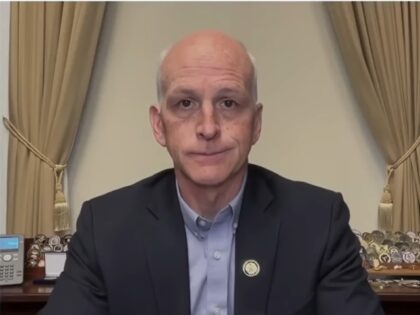
Rep. Adam Smith’s blunt dismissal of Graham Platner as “a bad guy” long before any assault allegations surfaced is a telling window into how the Democratic Party’s internal vetting process actually works. Smith’s comments on MSNBC reveal that the red flags—ranging from Platner’s past statements to his associations—were already visible to party insiders, yet the candidate was still advanced until the optics became too toxic. For the 2A community this is a familiar pattern: progressive candidates who quietly harbor anti-gun records or sympathies are often shielded until external pressure forces the party to distance itself, leaving voters to wonder how many other nominees are skating by on similar hidden liabilities.
The episode also underscores the strategic value of early, relentless scrutiny of every candidate’s record on firearms policy. When party leaders admit they knew someone was problematic before the headline-grabbing scandal, it validates the work of pro-2A researchers who dig through old tweets, campaign filings, and donor lists rather than waiting for mainstream outlets to catch up. In Washington state and beyond, this means the grassroots must treat every primary as an intelligence-gathering operation, mapping not just a candidate’s current talking points but the full timeline of their positions on magazine bans, permitting schemes, and red-flag laws.
Ultimately, Smith’s candor is less an act of accountability than a damage-control maneuver that highlights how fragile Democratic messaging on guns remains. If even their own members are privately conceding that nominees carry disqualifying baggage, the 2A community gains both a talking point and a tactical roadmap: keep the pressure on early, document everything, and force the party to defend or disown its standard-bearers before Election Day rather than after.


