

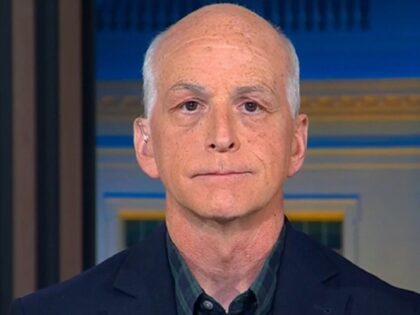
Rep. Adam Smith’s latest soundbite captures the classic Beltway shuffle: blame Iran for every rocket and militia, then pivot to lecturing Israel on the need to “find someone they can make peace with” in Lebanon and Palestine. The ranking Democrat on the House Armed Services Committee knows the IRGC funds Hezbollah’s 150,000-missile stockpile and Hamas’s tunnel network, yet he still frames the Jewish state as the party that must deliver concessions. That framing isn’t just naïve; it’s strategically illiterate. Every time Washington signals that Israel’s defensive margin is negotiable, Iran’s proxies read it as an invitation to re-arm and re-position, lengthening the very conflict Smith claims to want ended.
For the Second Amendment community the takeaway is straightforward: when elected officials treat the right of self-defense as a bargaining chip abroad, they rarely stop at the water’s edge. Smith’s willingness to second-guess an ally’s use of force mirrors the same logic used by domestic gun-control advocates who insist lawful owners must “find common ground” with those who would disarm them. The parallel is not rhetorical flourish; the same progressive coalition pushing “reasonable restrictions” on American gun owners is also the coalition most eager to condition U.S. arms sales to Israel on political concessions. If Congress can micro-manage a foreign democracy’s rules of engagement, it can—and will—micro-manage an American citizen’s magazine capacity or carry permit.
The practical implication is that pro-2A voters cannot afford to treat foreign-policy doves as harmless on domestic liberty. Every signal that weakens Israel’s qualitative military edge also weakens the precedent that free people may respond to existential threats with decisive force. Smith’s comments are therefore less about Lebanon and Gaza than about whether the United States still believes that peace flows from strength or from appeasement. The 2A community already knows the answer; the only question is whether enough lawmakers will remember it before the next round of rockets—or the next round of gun-control bills—lands.


