

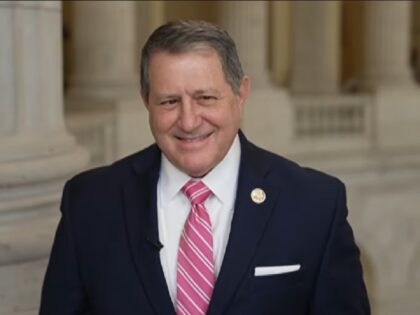
Rep. Joe Morelle’s quick pivot from Canadian wildfire smoke to blaming Donald Trump for “ignoring the real crisis of the climate” is the kind of rhetorical sleight-of-hand that gun owners have learned to spot from a mile away. The fires themselves are tragic, yet the congressman’s instinct is to weaponize the smoke for a partisan climate sermon rather than examine forest-management failures, decades of fuel buildup, or the simple fact that Canada’s own policies left millions of acres of tinder-dry timber. For the Second Amendment community, the move is familiar: whenever a crisis appears, progressive voices reach for the same template—declare an “emergency,” centralize power, and quietly erode the tools citizens use to protect themselves and their property when government response lags.
That template matters because climate rhetoric is increasingly paired with calls for sweeping restrictions on internal-combustion engines, rural land use, and even the transport of firearms and ammunition under the banner of “reducing emissions.” When politicians treat every weather event as proof that only federal edicts can save us, they rarely stop at tailpipe standards; they move on to ammunition taxes, magazine limits framed as “resource conservation,” and red-flag laws sold as public-safety measures during “climate emergencies.” The 2A community has watched this pattern unfold in states that already layer environmental rules atop gun-control statutes, turning once-routine range trips or hunting seasons into bureaucratic obstacle courses.
The larger implication is that the right to keep and bear arms is ultimately a hedge against centralized overreach, whether the justification is public health, public safety, or now public climate. When a representative can pivot from Canadian smoke to indicting a former president in a single sentence, it underscores why millions of Americans refuse to outsource their security or their liberty to the same institutions that treat every headline as an invitation to expand control.


