

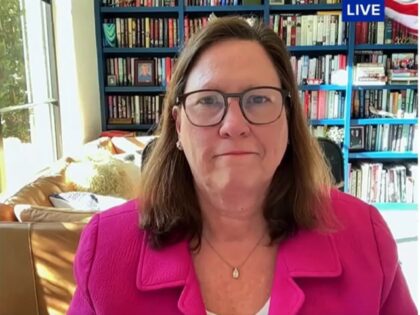
Rep. Julie Johnson’s breezy claim that Democrats are simply a “big tent” with “a lot of ideas” is the latest attempt to paper over the party’s accelerating leftward lurch on guns. While she insists the coalition only “disagrees on certain things,” the reality is that the loudest voices inside that tent—DSA-backed candidates, progressive prosecutors, and committee chairs—now treat the Second Amendment as an embarrassing relic rather than a cornerstone of liberty. The “methods” Johnson downplays are not minor tactical differences; they include red-flag laws that bypass due process, “assault-weapon” bans that criminalize the most popular rifles in America, and funding for organizations whose explicit goal is to bankrupt the firearms industry through litigation.
For the 2A community, the danger lies in the normalization of this rhetoric. When elected Democrats describe their anti-gun flank as just another “idea” rather than an existential threat to constitutional rights, they lower the bar for what counts as reasonable policy. That framing lets suburban moderates vote for gun-control packages while telling themselves they’re merely supporting “sensible” measures, even as those measures inch closer to confiscation. The result is a steady ratchet: each cycle’s “compromise” becomes the next cycle’s starting point, and the definitional ground under terms like “assault weapon” or “high-capacity magazine” keeps shifting left.
The practical takeaway is that pro-Second Amendment voters cannot afford to treat intraparty Democratic disagreements as reassuring. Johnson’s “big tent” line is a message of containment, not pluralism; it signals that gun-control advocates will remain inside the coalition and continue to drive the agenda. The only reliable counterweight is sustained electoral pressure at every level—primaries, general elections, state legislatures, and school boards—because the people writing the platform are no longer arguing about whether to restrict guns, but how quickly and how completely.


