

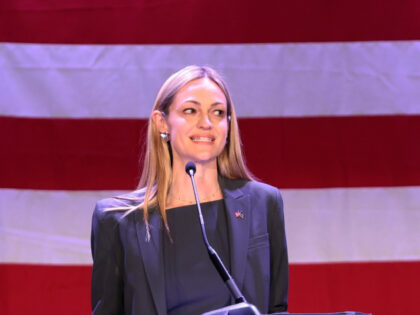
In the wake of a gang-related shooting that left a Scranton detective wounded, Mayor Paige Cognetti doubled down on the same “safe space” strategy that had already placed her in photos with operators of a Crips-linked hookah lounge repeatedly flagged by police. Rather than tightening enforcement around known criminal hangouts, she chose to spotlight a violence-intervention program aimed at people cycling in and out of the justice system—months after those same operators had been tied to the very street-level activity the city claimed it wanted to curb. For Second Amendment supporters, the disconnect is glaring: while law-abiding gun owners face ever-tightening restrictions and public shaming, elected officials appear comfortable extending olive branches to venues and networks long associated with the illegal gun trade and gang violence that actually drive urban shootings.
The pattern is familiar in cities where progressive leadership treats root-cause enforcement as politically inconvenient. Instead of leveraging existing tools—proactive policing, aggressive prosecution of felons in possession, and the closure of chronic nuisance properties—Cognetti’s approach funnels resources into programs that essentially outsource public safety to the same social circles producing the shooters. That choice sends a clear message to the 2A community: the political class is more interested in managing the optics of violence than in dismantling the networks that sustain it. When mayors running for Congress pose with figures tied to gangs yet continue to champion policies that erode lawful self-defense, gun owners rightly see a two-tier system—one set of rules for the politically connected, another for everyone else trying to stay within the law.
The broader implication is that these contradictions will keep surfacing on the campaign trail. As Cognetti seeks a congressional seat, voters in Pennsylvania’s gun-friendly counties will have little trouble connecting the dots between soft-on-crime signaling at the local level and the national push to further restrict the rights of the law-abiding. The lesson for the 2A community is straightforward: pay attention not only to a candidate’s stated position on the Second Amendment, but to the company they keep and the results their policies produce on the streets where real violence occurs.


