

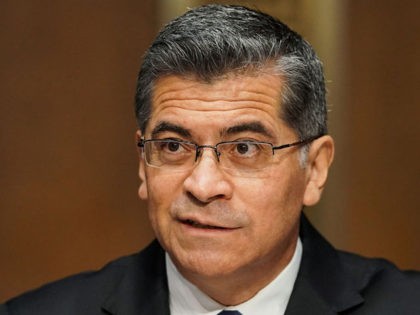
In the race for California governor, San Jose Mayor Matt Mahan’s blunt assessment of former HHS Secretary Xavier Becerra as the “epitome of the status quo” lands like a warning shot for anyone who still believes federal agencies can be trusted with more power. Mahan’s line that Becerra “always” points the finger elsewhere—whether the issue is 85,000 missing migrant children or rampant fraud inside his own department—exposes the same bureaucratic reflex that has defined the Biden-Harris approach to every crisis: deny, deflect, and demand more funding. For Second Amendment supporters, the pattern is familiar; the same officials who shrug off accountability on border security are the ones who reflexively blame “ghost guns” and “loopholes” whenever a tragedy occurs, then push for nationwide permitting schemes that treat law-abiding gun owners like the real threat.
What makes Mahan’s critique especially useful is that it comes from inside the Democratic primary, not from a conservative outlet. By calling Becerra out for treating every failure as someone else’s problem, Mahan inadvertently validates the long-standing argument that federal bureaucracies have grown too large, too insulated, and too hostile to individual rights. California already leads the nation in restrictive gun laws; if Becerra’s brand of finger-pointing governance reaches the governor’s mansion, expect the same tactics—blame manufacturers, blame FFLs, blame the Supreme Court—to justify the next round of magazine bans, permitting delays, and registration schemes. The 2A community has watched this movie before: every time accountability is dodged at the federal level, state-level gun owners pay the price in new restrictions and higher compliance costs.
The takeaway for gun owners is straightforward: elections that appear to be about immigration or health policy are also about who will control the administrative state that keeps trying to disarm the law-abiding. Mahan’s willingness to call Becerra’s record “bureaucratic” is a reminder that even within the Democratic Party, the appetite for endless expansion of federal power is not universal. For California’s shrinking but still significant pro-2A minority, that sliver of daylight matters; it suggests the next governor might at least face internal pushback rather than a rubber stamp for whatever new edict arrives from Sacramento or Washington. In a state where the right to keep and bear arms is already under siege, that distinction could determine whether the next four years bring another wave of lawsuits or a rare moment of restraint.


