

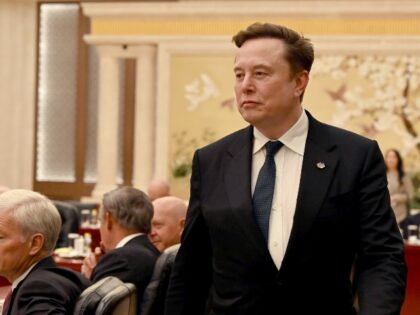
Elon Musk just took a courtroom L against OpenAI and Sam Altman, but true to form, the world’s most persistent innovator isn’t backing down. A federal jury in Oakland ruled that Musk’s claims were filed past the statute of limitations, a classic “calendar technicality” as he promptly labeled it. Musk has already promised to appeal, signaling this fight is far from over. For those who follow tech power struggles, this isn’t simply billionaire drama; it’s another chapter in the intensifying battle over who controls the future of artificial intelligence, and by extension, who gets to set the rules that could one day govern everything from your smartphone to your Second Amendment rights.
The deeper context here should concern every freedom-loving American. OpenAI, once founded with Musk’s involvement under the banner of safe, truth-seeking AGI, has morphed into something far more aligned with progressive institutional power and government-adjacent censorship. Musk’s lawsuit alleged that Altman and the company abandoned their original nonprofit mission in favor of profit-driven, ideologically captured development. That shift matters to the 2A community because artificial intelligence is rapidly being integrated into content moderation, surveillance, predictive policing, and “hate speech” detection systems that have already shown dangerous bias against conservative viewpoints and constitutional principles. When unelected tech oligarchs control the algorithms that decide what constitutes acceptable speech or lawful self-defense discourse, the Second Amendment becomes just another outdated idea an AI can be trained to deplatform.
Musk’s defiance here is bigger than one lost motion. It represents a refusal to let yesterday’s statute of limitations silence today’s fight for technological transparency and accountability. Whether he ultimately prevails in appeals or not, his willingness to drag Altman and OpenAI into the sunlight serves as a reminder that real innovation and liberty require constant vigilance against captured institutions. For gun owners, free thinkers, and anyone wary of Big Tech’s growing alliance with government, this saga underscores why decentralized, pro-human, and pro-freedom AI development isn’t optional; it’s essential if we want to ensure the tools of tomorrow don’t become the instruments that quietly erode the rights our forefathers secured with powder and lead. The appeal will be worth watching closely.


