

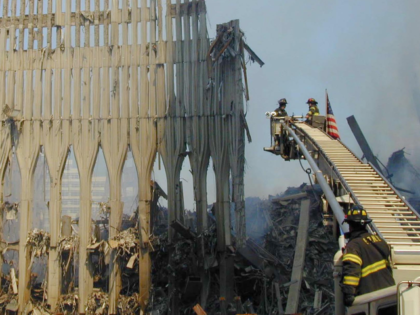
The Arab American National Museum’s new exhibit, “Arab American Stories of Resilience,” is a textbook case of historical revisionism dressed up as cultural sensitivity. By spotlighting the handful of Arab-Americans who faced post-9/11 backlash while giving only passing mention to the 2,977 Americans murdered by al-Qaeda, the Smithsonian-affiliated institution effectively reframes the day’s victims as the perpetrators of “Islamophobia.” That sleight-of-hand isn’t accidental; it’s part of a broader academic project that treats national self-defense as collective guilt and casts any assertion of American identity as bigotry.
For the Second Amendment community, the stakes are obvious. The same narrative that labels border security or airline profiling as “hate” also brands law-abiding citizens who carry firearms as latent threats. If the cultural elite can transform the 9/11 dead into footnotes, they can just as easily transform defensive gun owners into villains. Museums, schools, and media shape the moral language that later becomes legislation; when that language erases the reality of jihadist violence, it simultaneously delegitimizes the tools—starting with the right to keep and bear arms—citizens need to deter the next attack.
The exhibit’s timing is no coincidence. As the twentieth anniversary of 9/11 fades from living memory, institutions are racing to lock in a sanitized version of events before a new generation can ask inconvenient questions. The 2A community’s response should be equally deliberate: document the facts, preserve the footage, and refuse to let cultural gatekeepers decide whose lives are worthy of remembrance. Because once memory is politicized, the right to self-defense is never far behind.


