

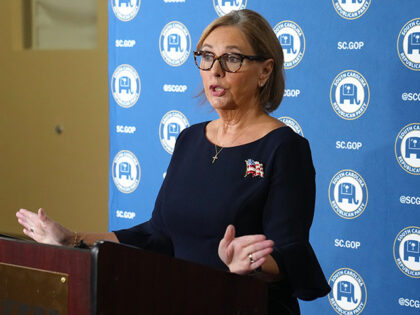
In a moment that should alarm every gun owner who still believes the Senate is the last line of defense for the Second Amendment, South Carolina’s Republican Senate candidate Darline Graham Nordone admitted on live television that she is “not that informed on national security.” The remark came during the only televised debate of the runoff when she was pressed on Taiwan and the South China Sea—two flashpoints that could ignite a Pacific war and trigger the very kind of emergency powers that historically throttle individual liberties. For a chamber that ratifies treaties, confirms Supreme Court justices, and can green-light or block sweeping gun-control packages disguised as “national security measures,” ignorance is not a credential; it is a liability.
The 2A community has spent the last decade watching how quickly foreign-policy crises become domestic disarmament opportunities. Nordone’s blank-slate answer signals she would be an easy mark for the same Beltway consensus that once told us the 1994 “assault-weapons” ban was temporary and the 2022 pistol-brace rule was merely “clarification.” A senator who has not studied the strategic map of the Taiwan Strait is unlikely to grasp how a single carrier-group standoff could be used to justify magazine bans, ammunition taxes, or even the invocation of the Insurrection Act to seize firearms in the name of “civil defense.” South Carolina voters who prize constitutional carry and constitutional sheriffs should ask whether they want another empty suit nodding along while the administrative state writes the next emergency order.
The larger lesson is that primary voters can no longer treat national-security fluency as optional. Every time a candidate shrugs off questions about great-power competition, they are also shrugging off the downstream effects on the right to keep and bear arms. The 2024 Senate map is tight; one more unprepared Republican could hand the gavels—and the subpoena power—to lawmakers who already view the Second Amendment as an annoying speed bump on the road to managed decline. South Carolina still has time to demand better.


