

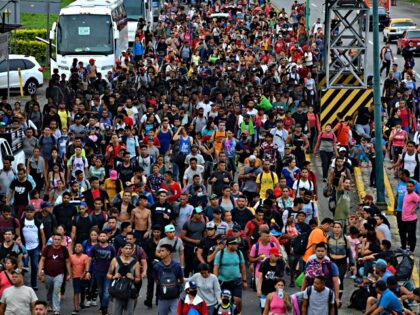
Biden’s border policies didn’t just strain schools and hospitals—they quietly pushed the cost of shelter higher for every American family trying to put down roots. The Dallas Fed’s analysis shows that the unprecedented surge in illegal immigration added measurable pressure to housing demand in markets already short on supply, driving up both purchase prices and monthly rents. For working households already squeezed by inflation, that extra competition at the low end of the market translated into thousands of dollars more in lifetime housing costs, effectively transferring wealth from citizens to landlords and investors who benefit from scarcity.
For the 2A community the connection is direct and practical. Skyrocketing rents and home prices push more Americans into dense, high-regulation urban cores where carry laws are restrictive, training ranges are distant, and storage rules are punitive. When a young family can no longer afford a modest house with a garage or backyard, they lose the very spaces that make responsible firearm ownership convenient and low-profile. Meanwhile, the same federal spending that fueled the border surge also expanded the administrative state whose agencies later propose magazine bans, pistol-brace rules, and “ghost gun” crackdowns—creating a double bind where citizens pay more to live and face tighter restrictions on how they defend that home.
The long-term implication is clear: immigration enforcement is not a side issue for gun owners; it is part of the same fight over limited resources and individual liberty. When housing becomes a luxury rather than a baseline, the practical exercise of Second Amendment rights shrinks along with the square footage people can afford to call their own.


