

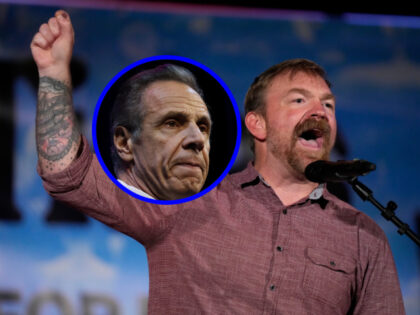
Andrew Cuomo’s blunt rebuke of his own party for shielding Graham Platner lands like a warning shot across the Democratic primary battlefield in Maine. While the former governor focused on Platner’s string of personal and ethical red flags, the episode also spotlights a deeper pattern: when progressive candidates stumble, party elders often close ranks rather than demand accountability. For gun owners watching the race, that reflex matters because Platner has already signaled openness to restrictions that go well beyond background checks—ideas that would further squeeze Maine’s hunting culture and rural economy if they ever reached the Senate floor.
The real takeaway isn’t just one candidate’s troubles; it’s how quickly institutional Democrats treat any deviation from the gun-control script as disqualifying while excusing other baggage. Cuomo’s intervention shows that even within the party there’s growing fatigue with purity tests that ignore electability, yet the same machinery still treats Second Amendment concerns as fringe rather than fundamental. If Platner survives the primary, expect the usual parade of “commonsense” proposals—magazine limits, expanded red-flag laws, and fresh attacks on so-called “assault weapons”—wrapped in the language of public safety while rural Mainers see another incremental erosion of their rights.
For the 2A community the lesson is straightforward: primaries are where the real damage is done. A candidate who skates through controversy because the party fears losing a seat is the same candidate who will later claim a mandate for new restrictions. Cuomo’s criticism may be aimed at Democrats, but it underscores why pro-Second Amendment voters cannot afford to sit out early contests or assume the general election will be the only firewall.


