

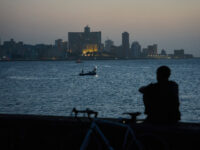
Cuba’s latest blackout is more than a headline about rolling brownouts—it’s a textbook demonstration of what happens when a government monopolizes every critical system and then runs it into the ground. Five collapses in a single month tell you the grid isn’t merely strained; it’s structurally incapable of delivering the one resource modern life can’t function without: reliable electricity. When the lights go out, so do water pumps, refrigerated medicine, and the thin veneer of order that keeps society from fracturing. The Cuban people have now been handed yet another reminder that dependence on the state for survival goods is a recipe for darkness—literal and figurative.
For the 2A community the lesson is straightforward: infrastructure fragility anywhere is a warning label for everywhere. If a nation that once boasted Soviet-grade engineering can’t keep the lights on, imagine how quickly similar single-point failures could cascade here if our own centralized systems were ever stressed by natural disaster, cyber-attack, or simple bureaucratic decay. That’s why millions of Americans treat a generator, solar set-up, and stored fuel not as prepper theater but as non-negotiable insurance. It’s also why the right to keep and bear arms is inseparable from any serious conversation about resilience; an armed citizenry is the final failsafe when institutions—power, water, or law enforcement—blink offline. In short, Cuba’s fifth blackout in thirty days isn’t a tropical curiosity; it’s a stark proof-of-concept that freedom’s toolkit must include both the means to produce your own power and the means to defend it.


