

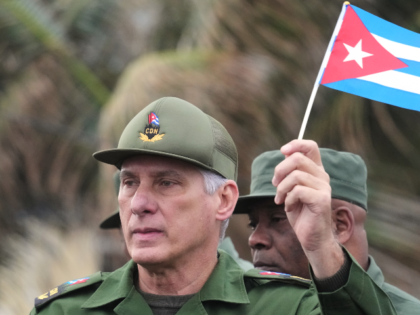
Cuba’s latest tantrum from Miguel Díaz-Canel is less a serious diplomatic rebuttal than a textbook case of authoritarian projection: accuse the accuser of every crime in the book while your own regime continues to starve its people and export repression. The State Department report simply catalogued Havana’s long record of arming insurgencies, sheltering terrorists, and propping up fellow dictators from Venezuela to Nicaragua; Díaz-Canel’s response—screaming “genocide” and “fascism”—reveals how allergic the Cuban Communist Party remains to any factual accounting of its own conduct. For the Second Amendment community this episode is a reminder that the same ideology that disarms its citizens at home also lashes out when outsiders notice the resulting tyranny; the right to keep and bear arms exists precisely so free people never have to beg permission from a regime that treats dissent as treason.
The contrast could not be sharper. In the United States, an armed citizenry serves as the ultimate check against the kind of centralized power that lets a 95-year-old dictator still call the shots through a ceremonial figurehead. Cuba’s model—total state control of firearms, speech, and property—has produced generations of poverty and exodus; every time the regime feels the heat of scrutiny it doubles down on the same playbook that has already failed its people. That pattern matters to gun owners here because the same voices that cheer Cuba’s “revolution” often push parallel restrictions on American self-defense rights under softer language about “public safety” and “equity.” Watching Díaz-Canel melt down over a factual report underscores why vigilance against incremental disarmament remains essential: once the state monopolizes force, complaining about its abuses becomes an exercise in futility.
The broader implication is that authoritarian regimes fear an armed, informed populace more than they fear sanctions or diplomatic notes. Cuba’s reflexive accusations are not random; they are the instinctive defense mechanism of a system that cannot survive open comparison with societies where citizens retain the means of resistance. For 2A advocates the lesson is straightforward: every attempt to normalize the Cuban model—whether through academic apologetics or policy proposals that treat self-defense as a state-granted privilege—should be met with the same unsparing scrutiny the regime itself cannot tolerate.


