

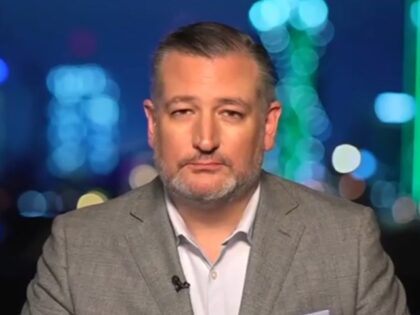
Sen. Ted Cruz’s quick alignment with Gov. Abbott and AG Paxton on data-center costs is more than a utility-rate squabble; it’s a preview of how Texas’s explosive growth is forcing every major industry to justify its footprint to the people who already live there. Data centers guzzle power the way a fully automatic rifle guzzles ammunition—fast, loud, and without apology—and when the bill comes due, the locals are the ones left holding the tab. Cruz’s message is simple: if you want to set up shop in the Lone Star State, you’d better be ready to pay your neighbors for the privilege, not just the power company.
For the 2A community, the parallel is obvious. Just as gun owners are told they must accept new restrictions because “society can’t afford the risk,” data-center operators are discovering that endless expansion carries its own externalities—strained grids, higher residential rates, and political pushback. The same principle applies: rights and responsibilities travel together. When Cruz insists that data centers “pay locals,” he’s echoing the argument pro-2A advocates have made for years—law-abiding citizens shouldn’t subsidize the problems created by others, whether those others are hyperscale server farms or the small fraction of criminals who misuse firearms.
The larger implication is that Texas’s growth model is maturing. The state that once lured companies with cheap power and light regulation is now mature enough to demand that newcomers internalize their costs. That shift strengthens the hand of every self-reliant Texan, including the armed citizen who already pays for his own security, his own training, and his own hardware. If the legislature and the regulatory agencies follow Cruz’s cue, the precedent will be clear: growth is welcome, but only when it respects the people already rooted in the state’s soil and its Bill of Rights.


