

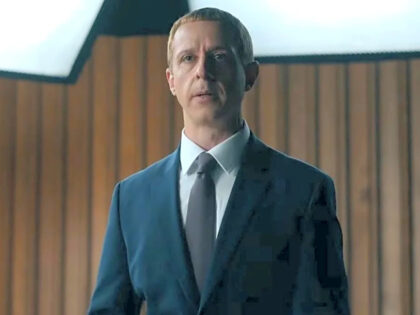
The trailer for Aaron Sorkin’s follow-up to “The Social Network” landed with a thud online, and the backlash wasn’t just about missing Fincher’s direction or Eisenberg’s icy Mark Zuckerberg—it was about watching another Hollywood production try to sanitize the very platforms that now police speech. Without Trent Reznor’s menacing score or Fincher’s clinical eye, the footage felt like a lecture rather than a thriller, and viewers quickly noticed how the story sidesteps the real power these companies wield: the ability to throttle, shadow-ban, or outright delete accounts that challenge prevailing narratives on everything from elections to self-defense rights. For the 2A community, this matters because the same tech infrastructure that once promised open connection has become the primary gatekeeper deciding which gun videos, training clips, or legal-defense fundraisers even reach an audience.
What makes the mockery sting is how tone-deaf the project appears at a moment when millions of Americans rely on decentralized platforms and encrypted channels precisely because legacy social media has proven hostile to firearm-related speech. The original film captured the intoxicating rush of building something that connected people; its would-be sequel seems more interested in moralizing about that creation than examining how its successors now collude with government actors and activist groups to limit access to information about constitutional rights. When the trailer’s sanitized dialogue drew instant derision, it revealed a broader fatigue: audiences increasingly recognize that the real sequel to the social-media story isn’t another boardroom drama—it’s the daily fight to keep channels open for discussions about magazine capacity, red-flag laws, and the right to keep and bear arms without corporate censors as referee.
The larger implication is that cultural products like this one accelerate the migration toward alternative networks where 2A creators, trainers, and advocates can operate without preemptive deplatforming. Every time a prestige project glosses over Big Tech’s actual record on viewpoint discrimination, it underscores why gun owners have built their own forums, payment processors, and video hosts. The trailer’s flop isn’t just a Hollywood misfire; it’s another data point showing that the audience has moved on to spaces that still treat the Second Amendment as a live, litigable right rather than a punchline in someone else’s screenplay.


