

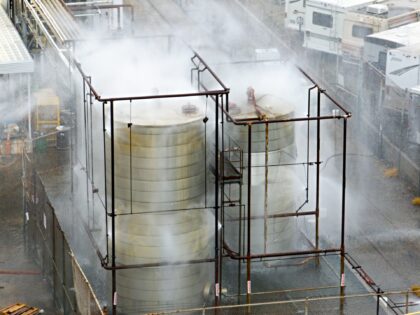
In the dead of night, first responders in Garden Grove battled to stabilize a chemical tank that threatened to turn a quiet Orange County suburb into a toxic inferno—an all-too-familiar reminder that when seconds count, the only help on the way is the one you bring yourself. While crews worked feverishly with specialized equipment and mutual-aid resources, the average citizen stood by, largely unarmed and unprepared, watching events unfold from behind police tape. The incident underscores a hard truth the 2A community has long understood: government agencies, no matter how dedicated, cannot guarantee instant protection when industrial accidents, civil unrest, or targeted attacks erupt without warning.
For Second Amendment advocates, the Garden Grove scare is more than a local hazmat story; it’s a case study in why the right to keep and bear arms remains inseparable from personal and community resilience. Chemical facilities, rail lines, and energy infrastructure sit in every state, yet the legal architecture that lets law-abiding citizens train with firearms, stock medical kits, and maintain situational awareness is routinely attacked by the same policymakers who later praise first responders after the fact. When the next tank, pipeline, or rail car fails, those who have exercised their rights will be the ones positioned to deter opportunistic crime, assist neighbors, or at minimum refuse to become passive victims while waiting for distant bureaucracies to arrive.
The broader implication is clear: preparedness is not paranoia, and the tools of self-reliance—including lawfully owned firearms—are force multipliers in any crisis, chemical or otherwise. Rather than reflexively reaching for new restrictions after every close call, policymakers would do well to recognize that an armed, trained populace complements professional responders instead of competing with them. Garden Grove dodged disaster this time, but the next incident may not afford the luxury of an overnight standoff; when that moment comes, the difference between containment and catastrophe could rest with citizens who refused to surrender their means of defense.


