

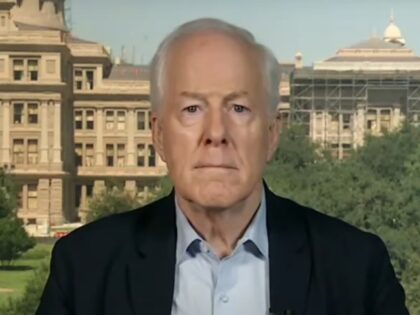
Sen. John Cornyn’s warning that a Democratic House would almost certainly pursue a third impeachment of President Trump isn’t just Beltway theater—it’s a flashing red light for anyone who values the Second Amendment. With Democrats already signaling renewed pushes for assault-weapon bans, magazine restrictions, and universal background checks, the threat of impeachment serves as both political weapon and procedural brake: every hour spent defending the White House is an hour Congress isn’t advancing gun-control legislation. Cornyn’s prediction underscores how fragile the current pro-2A equilibrium remains; one chamber flipping blue could instantly convert oversight hearings into de-facto disarmament workshops.
For the firearms community, the stakes extend beyond Trump’s personal legal exposure. A third impeachment spectacle would dominate headlines, crowd out substantive debate on ATF rulemakings, and give anti-gun lawmakers cover to fast-track measures under the banner of “addressing extremism.” Meanwhile, Republican losses in competitive districts—many of them rural and gun-friendly—would shrink the already narrow margin protecting shall-issue reciprocity, suppressor reform, and protections against pistol-brace rules. Cornyn’s remark is therefore less about personalities and more about arithmetic: the same voters who stayed home in 2022 could hand institutional power to legislators who view the right to keep and bear arms as a loophole rather than a liberty.
The practical takeaway is straightforward. Grass-roots mobilization, state-level sanctuary laws, and disciplined primary challenges remain the most reliable insurance policy against a post-midterm disarmament agenda. If Cornyn is right that impeachment three is probable, the 2A community cannot afford to treat the warning as abstract political gossip; it is a timetable for action before the gavel changes hands.


