

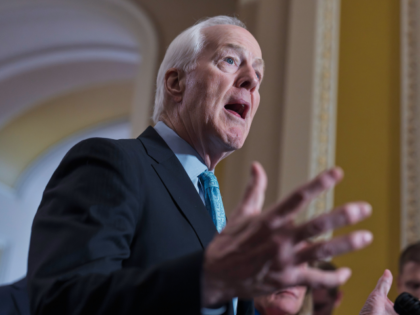
Sen. John Cornyn’s claim that he “supported” President Trump’s agenda from day one lands like a late-night tweet trying to rewrite the record. While the Texas senator now faces primary heat and the absence of a Trump endorsement, his voting history shows a mixed bag that 2A advocates have watched closely—backing national reciprocity legislation in name only while quietly enabling red-flag provisions and ATF funding that expanded during the Trump years. Cornyn’s pattern of procedural loyalty without aggressive leadership on constitutional-carry or suppressor reform left many gun owners wondering whether “support” meant votes that mattered or just the occasional floor speech that played well back home.
For the firearms community, this episode underscores a deeper tension inside the GOP: lawmakers who treat the Second Amendment as a campaign checkbox rather than a non-negotiable line in the sand. Cornyn’s social-media critics aren’t simply chasing headlines; they’re reacting to years of incremental concessions—expanded background-check studies, bump-stock rulemaking that bypassed Congress, and a reluctance to force sunset clauses on temporary ATF rules. When a senator with Cornyn’s seniority claims unbroken allegiance yet offers little tangible advancement on pro-2A priorities, it signals to voters that rhetoric can substitute for results until primary season arrives.
The implication is straightforward: 2A supporters now have a clearer test for 2024 and beyond. Endorsements and floor statements are cheap; consistent pressure against regulatory creep and willingness to primary incumbents who treat gun rights as negotiable are the only currencies that have moved the needle in recent cycles. Cornyn’s predicament is less about one tweet and more about whether the Republican Party will continue to reward survivalist posturing or finally demand legislators whose records match their rhetoric on the right to keep and bear arms.


