

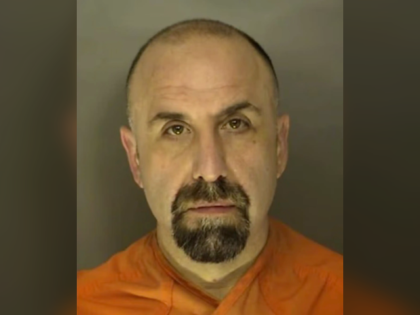
In the latest chapter of workplace absurdity, a Myrtle Beach officer found himself on the wrong side of the badge after allegedly drawing down on a colleague who dared to nuke a fish dinner in the shared microwave. The incident, which ended with the accused officer’s arrest and termination, underscores how quickly a routine shift can spiral when personal irritations collide with lethal tools. While the facts remain thin, the optics are unmistakable: an armed public servant treating a smell-based grievance as a use-of-force scenario. For Second Amendment advocates, the episode is less about fish and more about fitness—reminding us that the right to keep and bear arms carries an implicit duty of temperament that no badge can waive.
The deeper takeaway for the pro-2A community is that institutional trust in law enforcement rests on the same foundation as civilian carry: consistent judgment under stress. When an officer treats a coworker’s lunch as a mortal threat, it fuels the very narratives used to question whether ordinary citizens can be trusted with firearms. Training standards, psychological vetting, and swift accountability matter precisely because guns amplify mistakes; the same logic applies outside the uniform. Rather than reflexively defending every badge, responsible gun owners should insist that those granted the most visible authority model the discipline the rest of us are expected to demonstrate daily.
Ultimately, the story is a cautionary meme waiting to happen—proof that “don’t microwave fish at work” now carries the force of departmental policy. It also spotlights how minor cultural friction inside agencies can metastasize into public-relations disasters that tar responsible carriers by association. The 2A movement benefits when it separates principle from personality, championing the right while still calling out conduct that makes everyone’s freedom harder to defend.


