

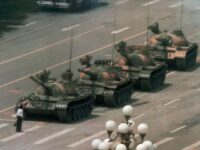
Communist China’s latest attempt to erase the Tiananmen Square massacre on its 37th anniversary is a textbook case of how authoritarian regimes weaponize historical amnesia to tighten their grip on power. By scrubbing every mention of the June 4, 1989 slaughter from the internet, punishing families who dare to mourn, and even airbrushing the iconic “Tank Man” photo from existence, Beijing is proving that the first casualty of tyranny is always the truth. For Americans who still cherish the right to keep and bear arms, this is more than a foreign tragedy—it’s a living reminder that when a government monopolizes force and information, citizens become subjects rather than sovereigns.
The 2A community has long understood that an armed populace is the ultimate check against the kind of Orwellian revisionism now unfolding in China. While Beijing’s security apparatus can delete tweets and jail dissidents with a keystroke, an American citizen with a lawfully owned firearm retains a tangible means of resistance that no algorithm can confiscate. The contrast is stark: in a nation where only the state may own guns, history itself becomes state property, rewritten or deleted at will. Here, the Second Amendment doesn’t just protect hunting rifles or home defense—it safeguards the very possibility of dissent, ensuring that future generations can still point to the facts even when powerful interests prefer they forget.
The implications stretch far beyond Beijing’s borders. Every time the CCP succeeds in burying its crimes, it signals to would-be authoritarians everywhere that control of the narrative is as potent as control of the battlefield. That’s why pro-2A voices must continue to frame the right to bear arms not merely as a cultural tradition, but as a deliberate safeguard against the slow creep of historical erasure. An unarmed society can be told any story; an armed one can still demand the truth.


