

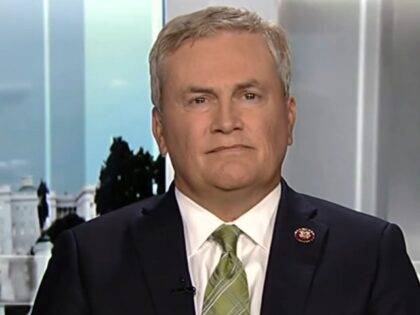
Rep. James Comer’s pledge of “real accountability” for alleged fraud involving federal dollars in Minnesota isn’t just another Beltway headline—it’s a flashing warning light for every law-abiding gun owner who has watched billions in pandemic-era relief and “community safety” grants get funneled into progressive pet projects instead of actual public safety. When federal money meant to stabilize communities is allegedly siphoned off by insiders, the downstream effect is predictable: cash-strapped police departments, politicized prosecutors, and a revolving door of soft-on-crime policies that leave armed citizens to fill the gap. Comer’s House Oversight Committee is now positioned to trace those dollars, and if the trail leads to the same networks that have spent the last decade demonizing lawful firearm ownership while tolerating real violence, the 2A community should treat this as more than a spending scandal—it’s a referendum on whether federal resources will finally be clawed back from the very officials who treat the Second Amendment as a budget line item to be defunded.
The deeper implication is structural. For years, anti-gun jurisdictions have leveraged federal grants under the banner of “violence interruption” or “equity-focused policing” to sidestep legislative defeats on magazine bans, red-flag laws, and permit-to-purchase schemes. If Comer’s investigation documents fraud rather than mere policy disagreement, it undercuts the moral and financial scaffolding those programs rely on. Gun owners who have shouldered skyrocketing insurance costs, range closures, and boutique compliance requirements while watching their tax dollars subsidize the opposition now have a concrete accountability mechanism: follow the money, expose the grift, and starve the infrastructure that turns federal largesse into state-level gun control. Real accountability here doesn’t just mean indictments—it means shrinking the administrative state’s ability to wage lawfare against the right to keep and bear arms by other means.


