

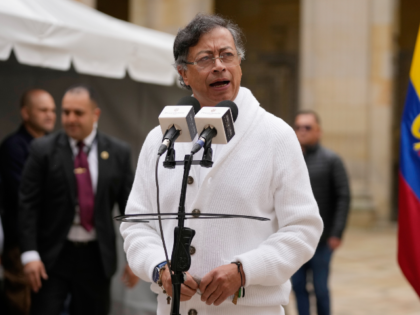
In a move that should surprise no one familiar with Latin American socialism, outgoing Colombian President Gustavo Petro has refused to accept the first-round results that placed his hand-picked successor, Iván Cepeda, in second place. Petro’s late-night social-media tirade framed the outcome as some kind of conspiracy rather than a democratic verdict, revealing the same authoritarian reflex that has defined his tenure: when the people vote against the revolution, the revolution simply declares the vote illegitimate. For observers in the firearms community, the episode is a textbook reminder that the right to keep and bear arms is ultimately the only reliable check against rulers who treat elections as optional.
Petro’s political project has always been explicit about its hostility to private gun ownership. His administration pushed aggressive disarmament rhetoric, aligned Colombia more closely with regional gun-control blocs, and treated armed citizens as a threat rather than a safeguard. That stance is not incidental; it flows directly from the Marxist playbook that views an armed populace as an obstacle to centralized power. The fact that Petro now appears willing to override electoral outcomes only underscores why millions of Colombians—and millions more across the hemisphere—still see the Second Amendment’s principles as the last line of defense against creeping authoritarianism.
The broader implication for American gun owners is straightforward: every time a socialist leader tests whether democratic norms can be discarded when inconvenient, it validates the founders’ warning that rights not defended are rights soon lost. Colombia’s drama is playing out thousands of miles away, yet the pattern is familiar—disarm the people, delegitimize their votes, consolidate power. Staying vigilant, well-armed, and politically engaged at home remains the most practical way to ensure that the same script never gets written here.


