

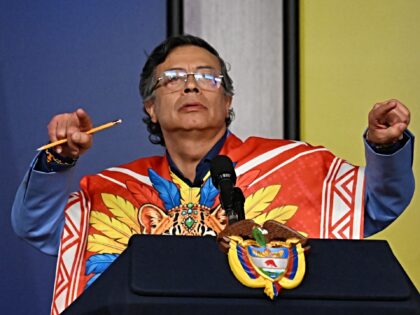
Petro’s saber-rattling is the latest chapter in a long Latin-American tradition of leftist strongmen who refuse to relinquish power once the ballots turn against them. By painting the incoming de la Espriella administration as illegitimate, the outgoing president is attempting to delegitimize the very constitutional order that allowed him to govern in the first place. The irony is rich: a self-described “democratic socialist” is now threatening to burn the system down if the democratic process doesn’t deliver his preferred outcome. For Colombians who still remember the FARC’s decades-long campaign of kidnapping, extortion, and rural terror, the phrase “civil war” isn’t abstract rhetoric—it’s a lived memory.
That memory matters to the 2A community because Colombia’s experience is a textbook case of what happens when a government first disarms its citizens and then slides toward authoritarianism. After years of “voluntary” gun turn-ins and ever-tightening restrictions, rural landowners and shopkeepers found themselves defenseless against guerrilla groups that never surrendered their AKs. The result was predictable: the very people the state claimed to protect became the easiest targets. De la Espriella’s platform includes loosening some of those restrictions and recognizing the individual right to armed self-defense—an idea that resonates far beyond Colombia’s borders. If Petro’s threats materialize into actual violence, armed citizens may once again become the last line of defense for communities the central government cannot, or will not, secure.
The larger lesson for American gun owners is that the phrase “it can’t happen here” is dangerously naïve. Whenever a political faction claims the moral authority to nullify an election, the first freedom it moves to curtail is the one that makes all others enforceable. Colombia’s drama is a warning flare: stay vigilant at the ballot box, at the courthouse, and—when necessary—at the gun safe.


