

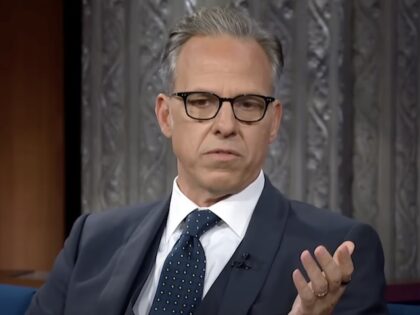
In the latest chapter of media-driven political theater, CNN’s Jake Tapper revealed that the women accusing Democratic Maine Senate hopeful Graham Platner of sexual assault felt shortchanged by the New York Times’ comparatively restrained language. Rather than the hard-hitting framing they apparently expected, the Gray Lady opted for softer descriptors that left accusers feeling their narrative had been diluted. Tapper’s on-air observation underscores a familiar pattern: legacy outlets still shape the intensity of scandal coverage, and when the story involves a Democrat, the volume knob often gets turned down just enough to preserve plausible deniability while still advancing the desired political effect.
For Second Amendment supporters, the episode is a reminder that institutional media bias extends far beyond gun-policy reporting. The same editorial filters that soften language around candidate misconduct also decide which defensive-gun-use stories receive national play and which are buried under “mostly peaceful” framing. When outlets calibrate outrage to protect favored candidates, they simultaneously starve the public of context on issues like permitless carry, red-flag laws, and the real-world consequences of disarming law-abiding citizens. The Platner coverage flap illustrates how narrative control operates; if the press can dial down the temperature on sexual-assault allegations to shield a progressive, it can just as easily amplify isolated incidents to paint gun owners as inherent threats.
The takeaway for the 2A community is strategic vigilance rather than surprise. Primary voters and general-election audiences increasingly bypass legacy gatekeepers, turning instead to primary sources, body-cam footage, and independent journalists who let raw data speak. As long as major networks and newspapers retain the power to modulate scandal severity based on partisan alignment, gun-rights advocates must continue building parallel information pipelines that keep both the facts and the policy stakes in plain view.


