

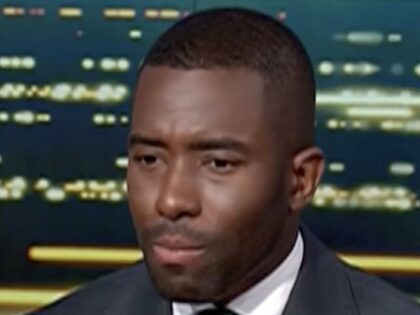
When CNN’s Shermichael Singleton called out Democrats for rallying behind Maine Senate hopeful Graham Platner, he wasn’t just scoring partisan points—he was spotlighting a glaring double standard that gun owners have watched for years. Platner’s campaign has leaned into the usual progressive talking points on “assault weapons” and “universal background checks,” yet the same party that once demanded zero tolerance for any deviation from the gun-control script is suddenly willing to overlook his record when it serves electoral math. Singleton’s jab lands because it exposes how quickly the left’s moral absolutism on firearms evaporates once a candidate checks other identity or fundraising boxes.
For the 2A community, this episode is a reminder that consistency is a one-way street in today’s gun debate. While Republican candidates face wall-to-wall scrutiny over even minor NRA donations or range photos, Democrats appear free to pivot on gun issues without consequence so long as the broader progressive coalition stays intact. That asymmetry matters in a cycle where control of the Senate could hinge on a handful of purple states; if the party’s base shrugs at Platner’s past statements or associations, it signals that gun-control purity tests are negotiable when power is on the line.
The larger implication is strategic: pro-Second Amendment voters should treat every Democratic candidate’s gun rhetoric as situational rather than sincere. When the same network that spent years framing the NRA as a singular threat now shrugs at internal contradictions, it underscores that electoral pressure—not media narratives—remains the most reliable check on anti-gun legislation. The 2026 map is already taking shape, and moments like Singleton’s CNN segment are useful reminders that hypocrisy travels in only one direction until voters make it costly.


