

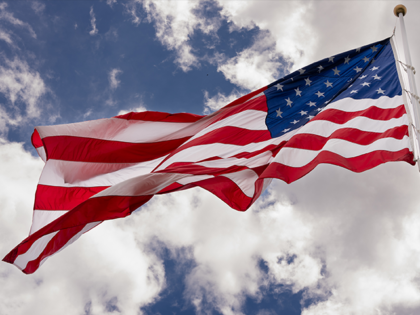
Lulu Garcia-Navarro’s blunt admission that Democrats have “stepped away” from the American flag is more than media navel-gazing—it’s a flashing warning light for anyone who still believes the Second Amendment can survive on bipartisan goodwill. When one major party effectively concedes the symbols of national unity to the other, every debate over “assault weapons,” red-flag laws, or magazine bans stops being a policy disagreement and starts looking like a contest over who gets to define what it means to be an American. The 2A community has watched this slow retreat for years: flag-draped gun ranges, Independence Day open-carry events, and constitutional-carry rallies have become almost exclusively Republican spaces, while Democratic messaging increasingly frames the same symbols as suspect or exclusionary.
That vacuum matters because the right to keep and bear arms has always been tethered to the idea of an armed citizenry loyal to the Constitution rather than to any party. When one side stops competing for the flag, it stops competing for the cultural high ground that once made gun ownership feel like a mainstream civic virtue instead of a partisan hobby. Polls already show widening gaps in household gun ownership by party; if Democrats continue to treat the Stars and Stripes as radioactive, those gaps will harden into permanent political geography, making future Supreme Court vacancies and ATF rulemaking even more zero-sum battles.
For gun owners the takeaway is straightforward: symbols are not decorative—they are territory. If the left has decided to abandon the flag, the right must double down on claiming it, not just with rhetoric but with visible, unapologetic displays at every range, match, and legislative hearing. The Second Amendment does not defend itself; it survives only when enough Americans still see the flag and instinctively think “that’s my Constitution, too.”


