

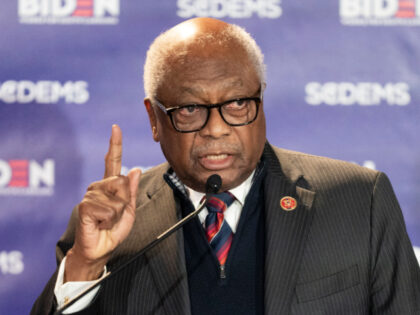
Rep. Jim Clyburn’s quick dismissal of Abdul El-Sayed’s Detroit rally photo is more than a campaign-season sound bite; it’s a window into how the Democratic Party’s progressive wing is struggling to translate its messaging into broad-based support among the very voters it claims to champion. The image in question—showing a largely white, college-aged crowd—underscored what Clyburn already suspected: that El-Sayed’s brand of left-wing populism resonates more with coastal activists than with working-class Black communities in the Midwest. For the 2A community, the takeaway is clear: when a candidate’s coalition is narrow, his policy priorities will be narrow too, and that usually means gun-control measures crafted in echo chambers rather than in gun shops or rural kitchens.
The larger implication is that the same demographic disconnect driving Clyburn’s skepticism is also shaping the national debate over firearms. Progressive candidates who poll poorly with Black voters often double down on “equity-focused” gun restrictions that ignore the reality that lawful carry is rising fastest among Black women and that many urban neighborhoods rely on armed self-defense when police response times lag. If El-Sayed’s campaign is already written off by one of the House’s most influential Black lawmakers, it signals that the next wave of anti-gun legislation may face unexpected resistance—not just from traditional rural Republicans, but from an increasingly diverse pool of gun owners who see the right to bear arms as a civil-rights issue, not a culture-war trophy.
In short, Clyburn’s photo test is a reminder that electoral math still matters more than ideological branding. For Second Amendment advocates, the lesson is to watch which candidates actually build coalitions that include the communities most affected by both crime and over-criminalization; those are the lawmakers least likely to trade away constitutional rights for progressive applause.


