

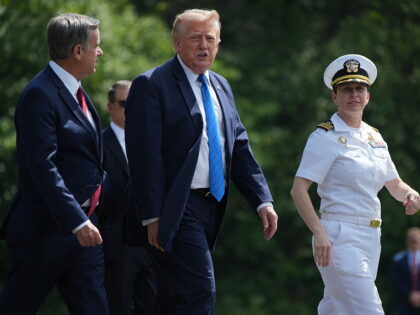
When CIA Director John Ratcliffe touched down in Moscow this week, the optics alone were enough to raise eyebrows in Washington and beyond. The Kremlin’s clarification that he met with Russian intelligence officials rather than Vladimir Putin himself may have been intended to downplay the encounter, but it actually underscores a deeper reality: even in an era of sanctions, proxy conflicts, and mutual expulsions of diplomats, the world’s premier intelligence services still need direct channels. For the firearms community, that matters because the same networks that move shoulder-fired missiles, night-vision tubes, and small-arms ammunition across borders are the ones these agencies are quietly mapping. Every deconfliction phone call or back-channel handshake can either tighten or loosen the spigot on the black-market flows that ultimately reach cartels, militias, and, occasionally, domestic criminals.
Ratcliffe’s trip also signals that the Biden-to-Trump transition in Langley is already reshaping priorities. Where previous directors leaned heavily on public indictments and sanctions lists, the new approach appears more pragmatic—face-to-face conversations that can yield actionable intelligence on proliferation routes faster than another round of Treasury designations. That shift has downstream effects on the Second Amendment landscape: when U.S. agencies obtain better targeting data on smuggled firearms components, they can focus enforcement on actual straw purchasers and trafficking rings instead of casting an ever-wider net over lawful American gun owners. Conversely, if those same channels are used to negotiate tacit carve-outs for “gray-area” shipments, the risk grows that legally manufactured U.S. firearms could be conflated with illicit flows in future UN or ATF rule-makings.
The larger takeaway is that intelligence diplomacy is no longer an abstraction for gun owners; it is a live variable in the regulatory environment. As Ratcliffe’s Moscow meetings ripple outward, expect renewed pressure on domestic “zero tolerance” policies, fresh ATF trace-data sharing agreements, and possibly even quiet lobbying from European allies worried about Russian-supplied weapons reaching their streets. The 2A community’s best defense is to track these developments with the same granularity once reserved for legislation—because the next import ban, serialization mandate, or “enhanced background check” proposal may be incubated not in Congress, but in the readouts of a CIA director’s unannounced visit to a foreign intelligence headquarters.


